Ecuador: A Journey through Architecture, Culture and Land
Ecuador is a country often ignored by travellers, who mistakenly believe it has little to offer. They couldn’t be more wrong. Within a relatively small territory, the country contains an extraordinary variety of landscapes and natural environments. The Andes mountain range, punctuated by extremely high peaks and active volcanoes, runs through the centre of the country, separating the dense Amazon rainforest from the Pacific coastal region and the unique archipelago of the Galápagos.
In the current context, Ecuador is going through difficult economic and political times, creating a challenging environment for the development of a national contemporary architectural identity. Despite this, a robust network of architects is working to demonstrate that high-quality architecture can be produced across all budgets and can contribute to improving lives in Ecuador, from underprivileged communities to more wealthy contexts.
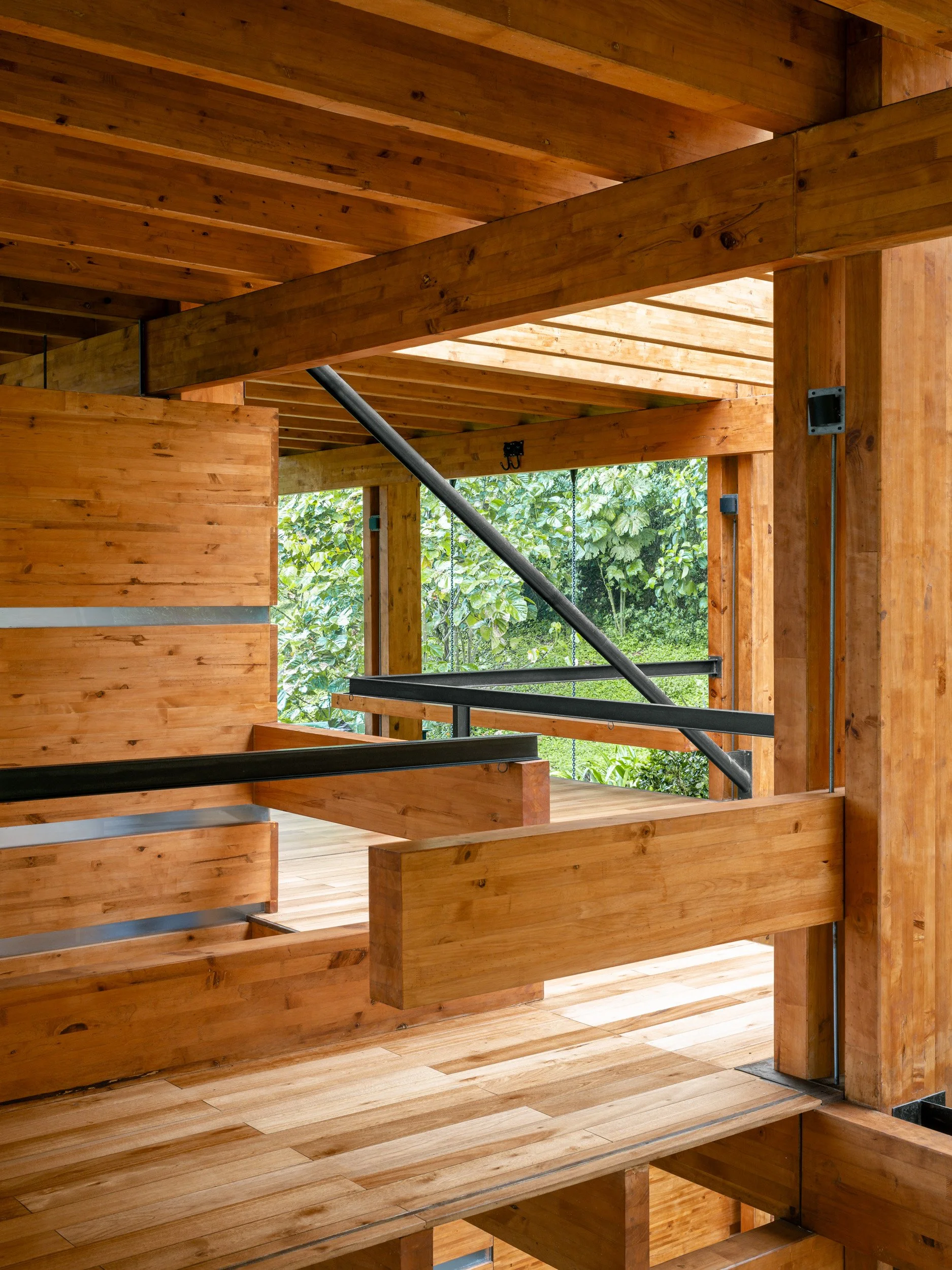
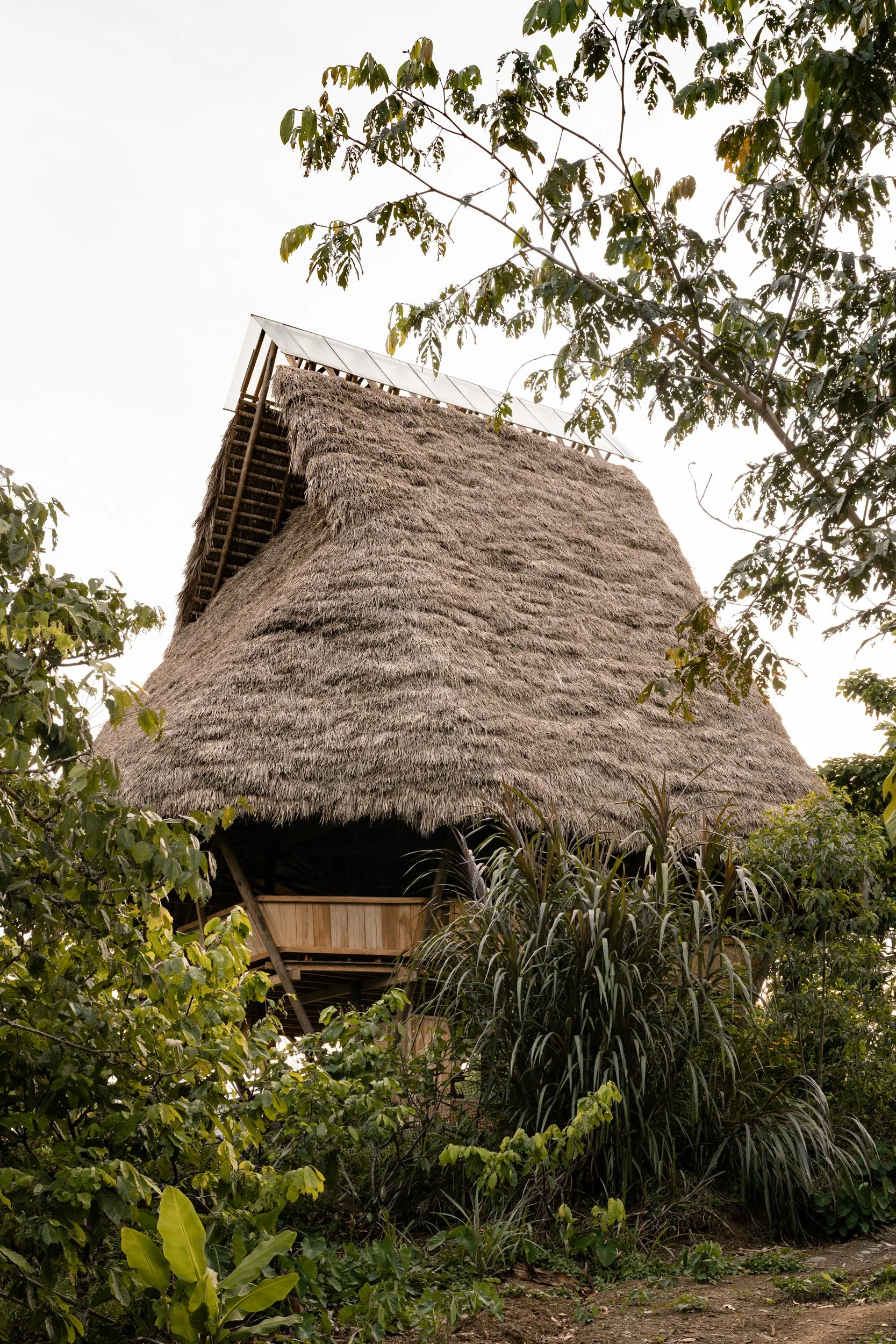
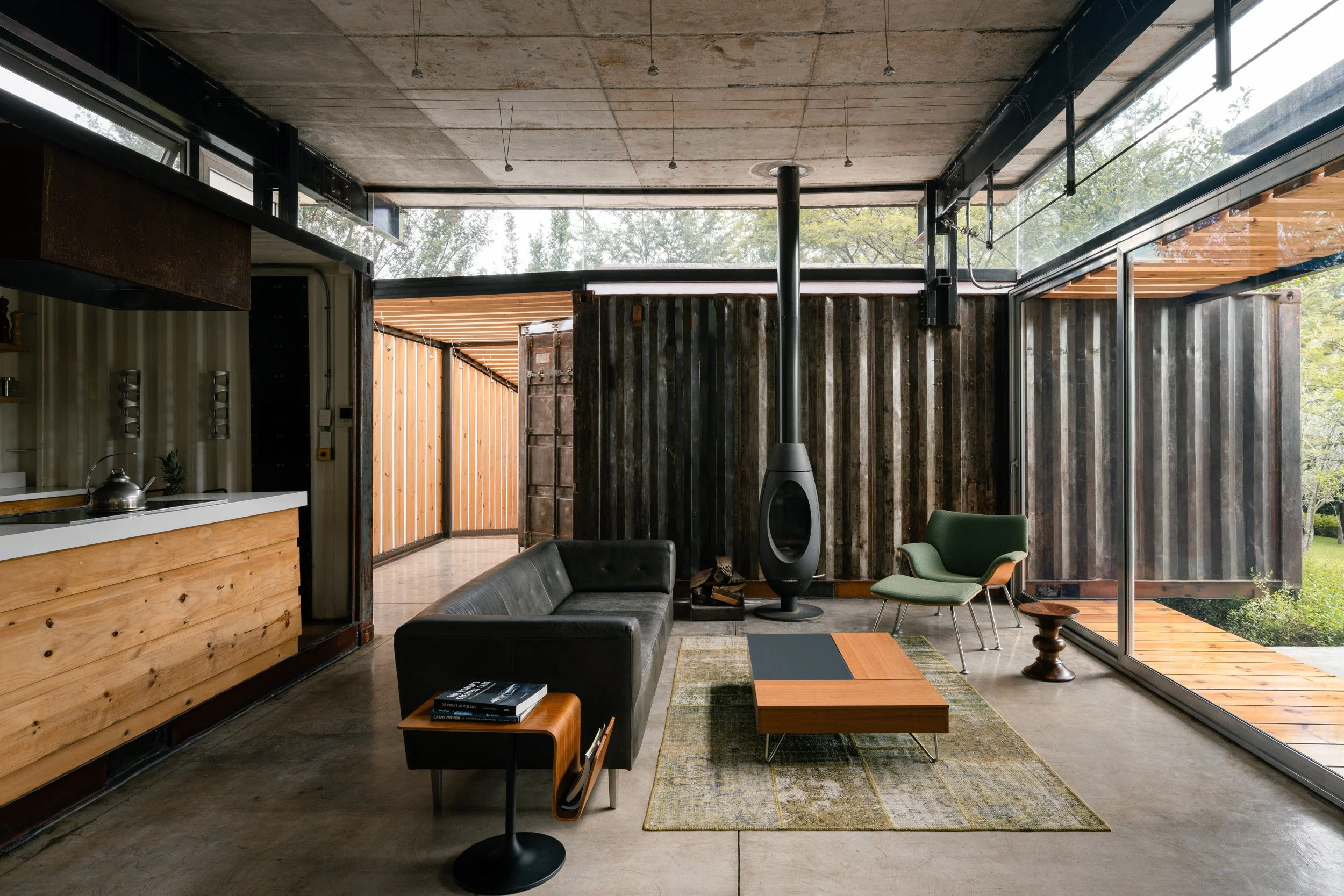
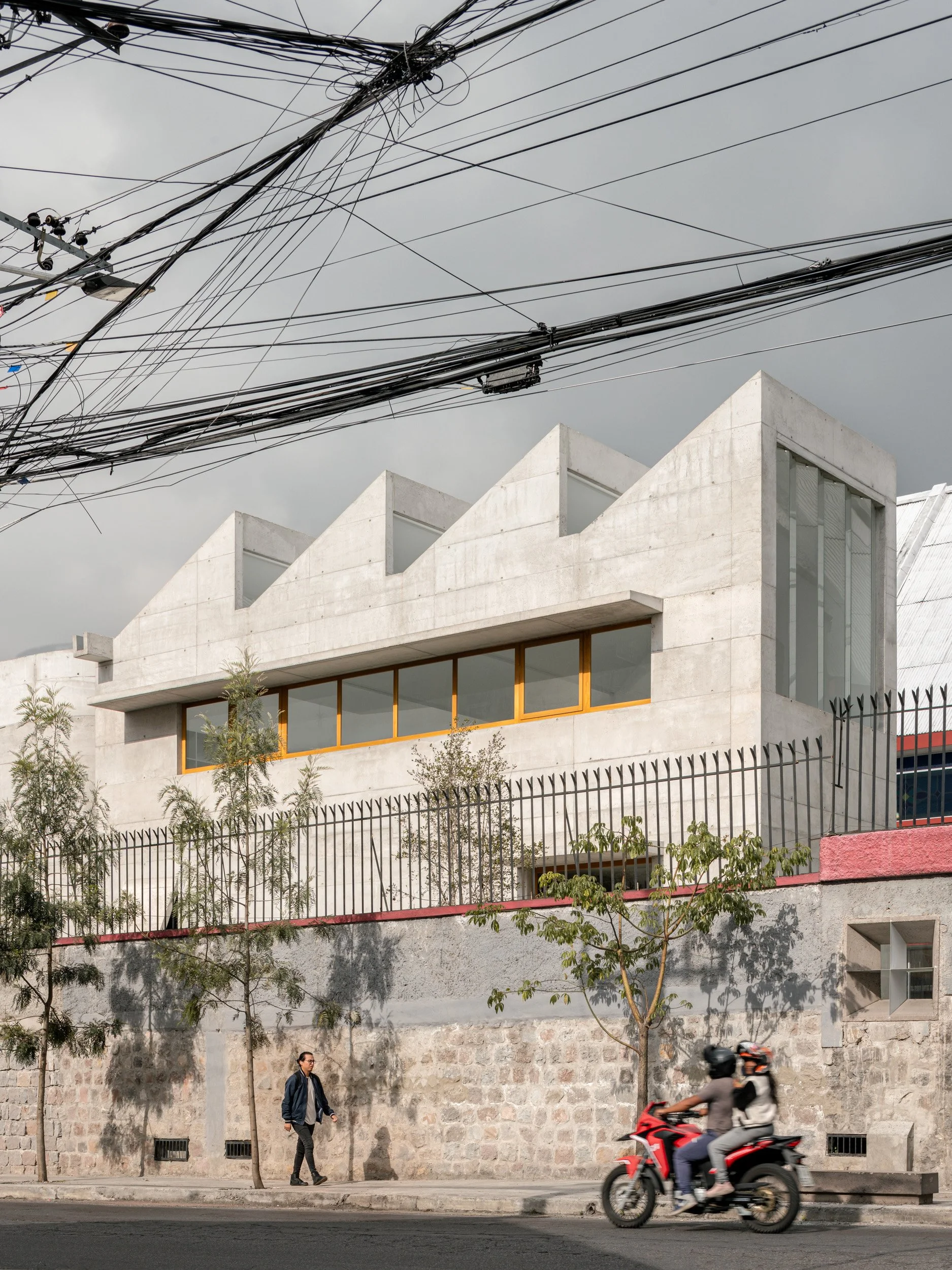
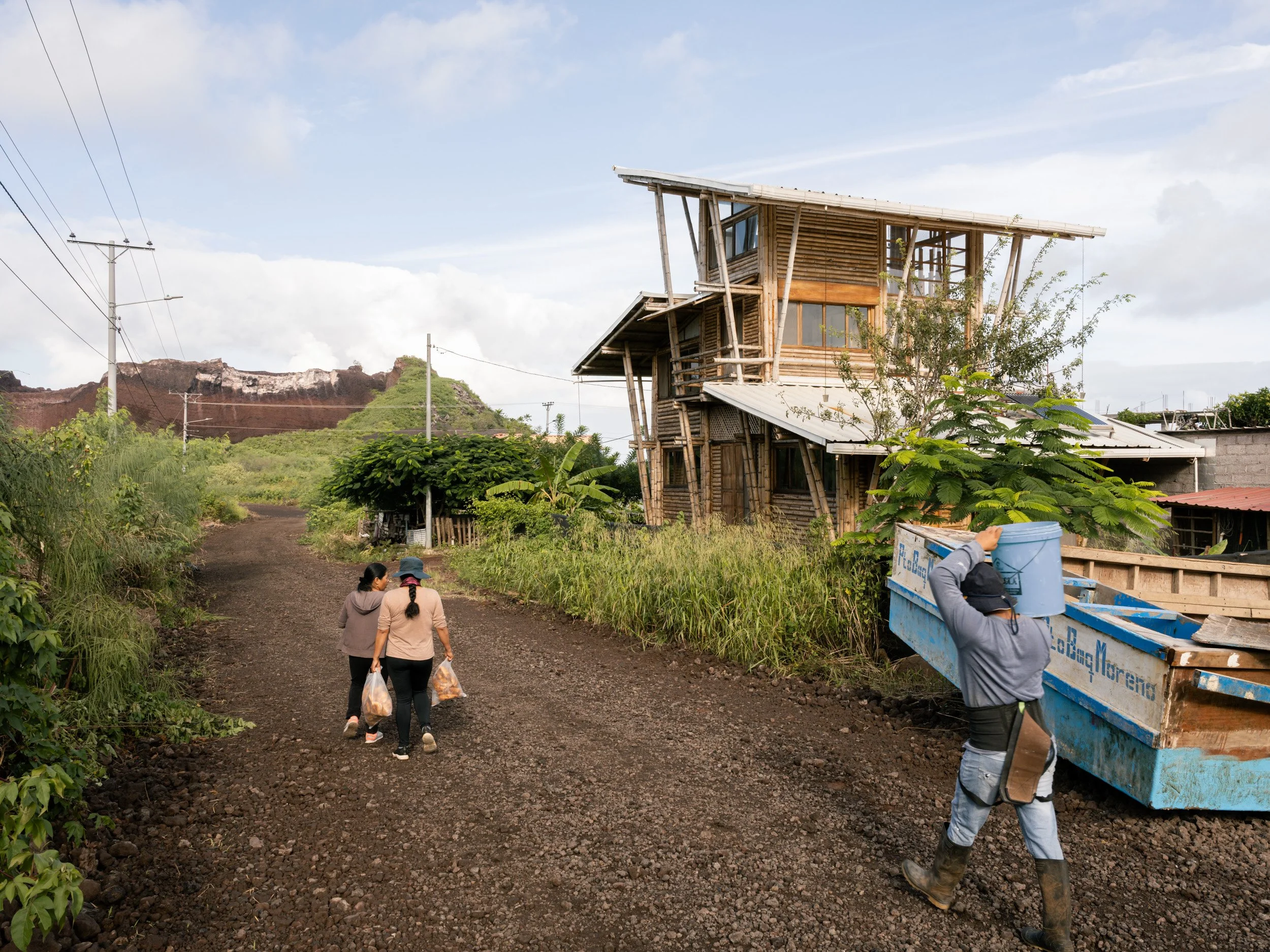
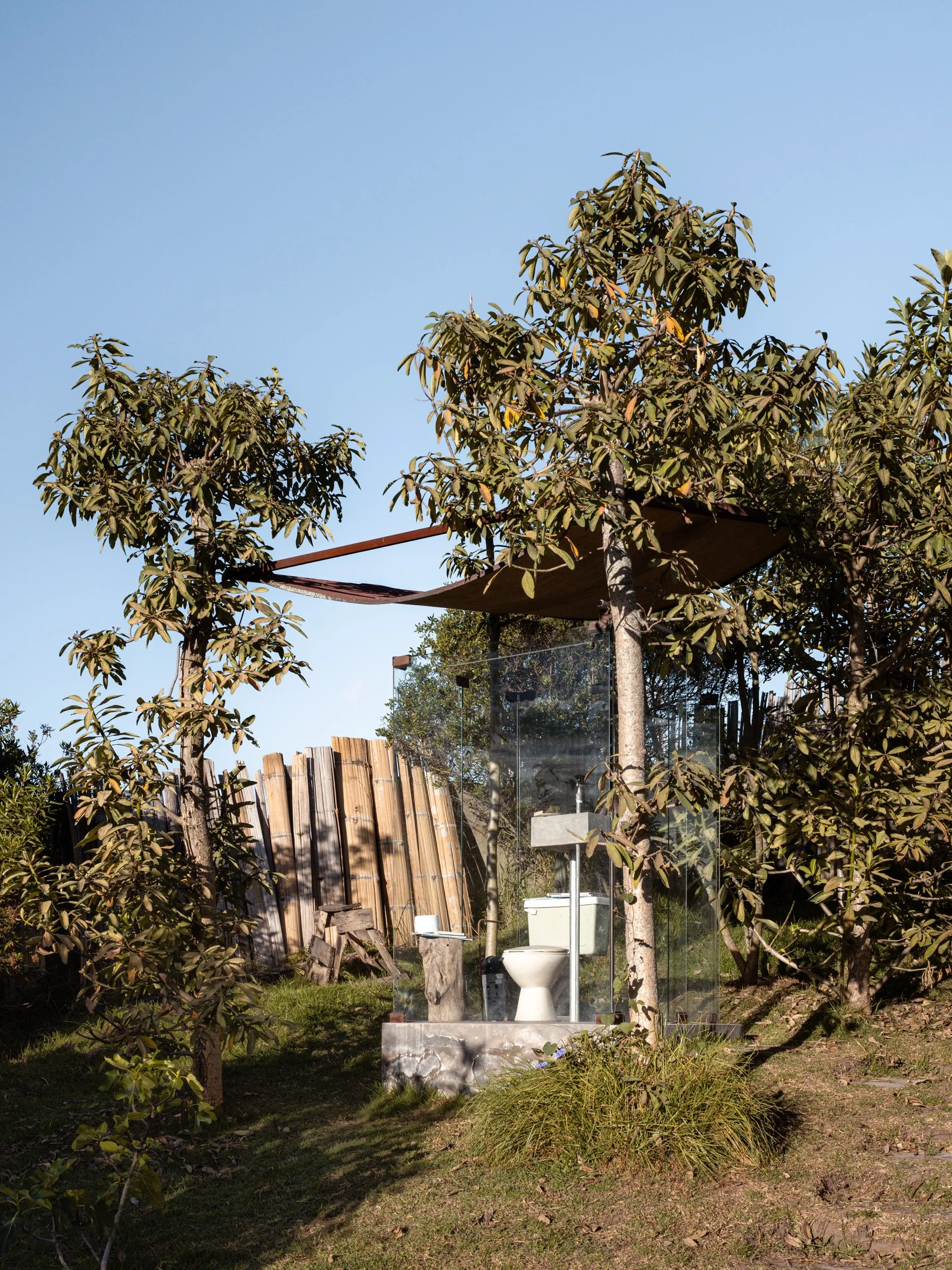
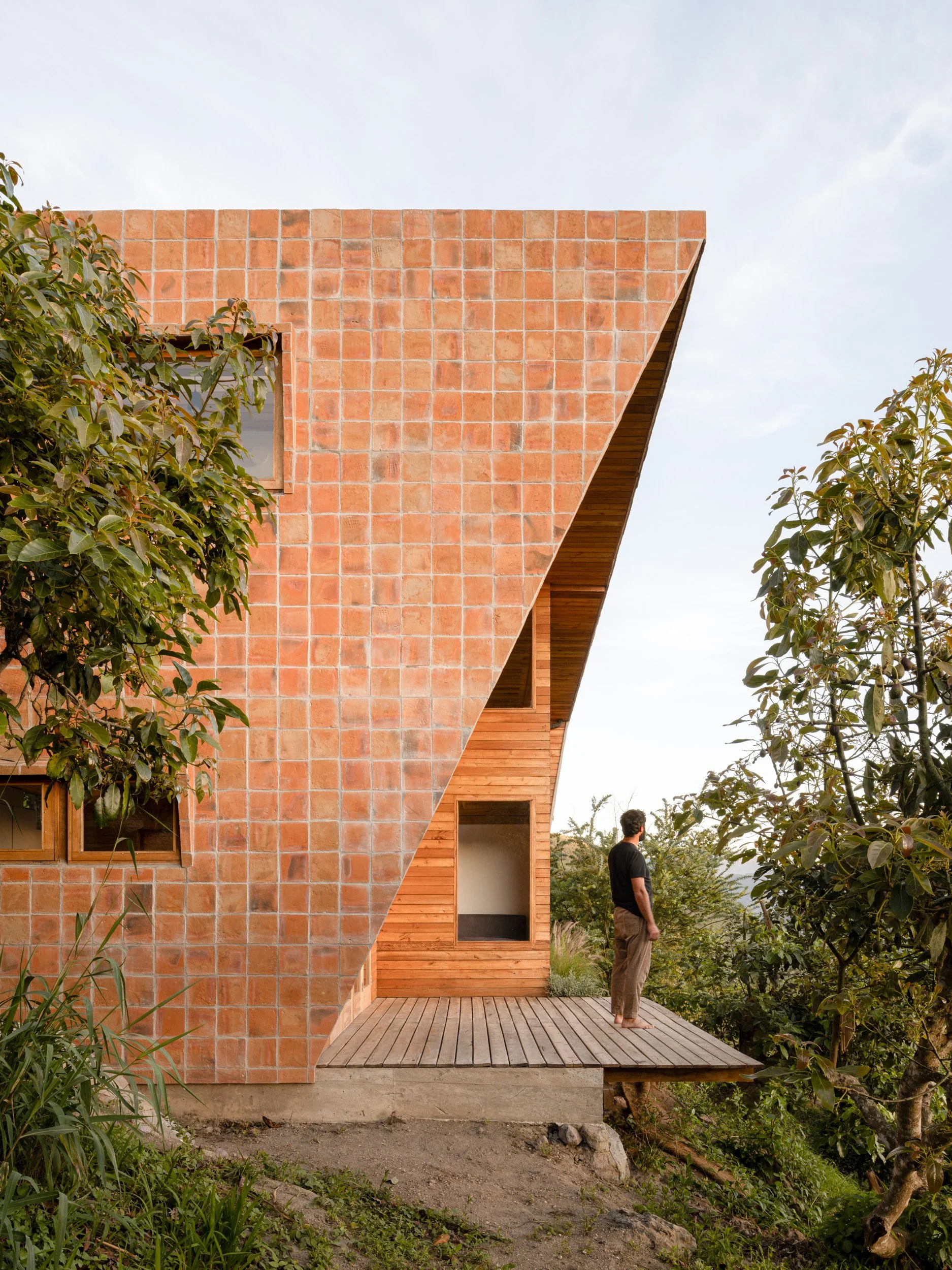
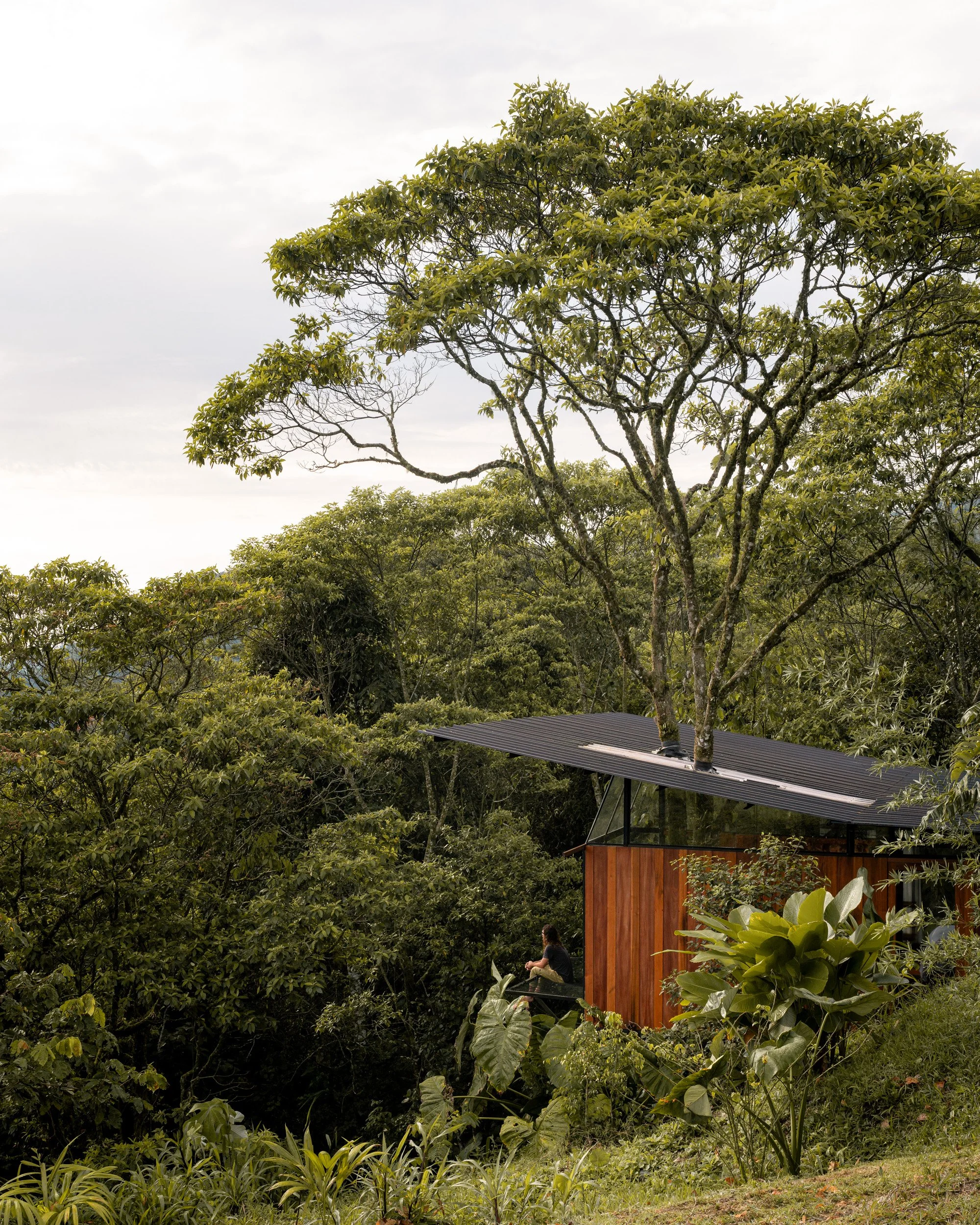
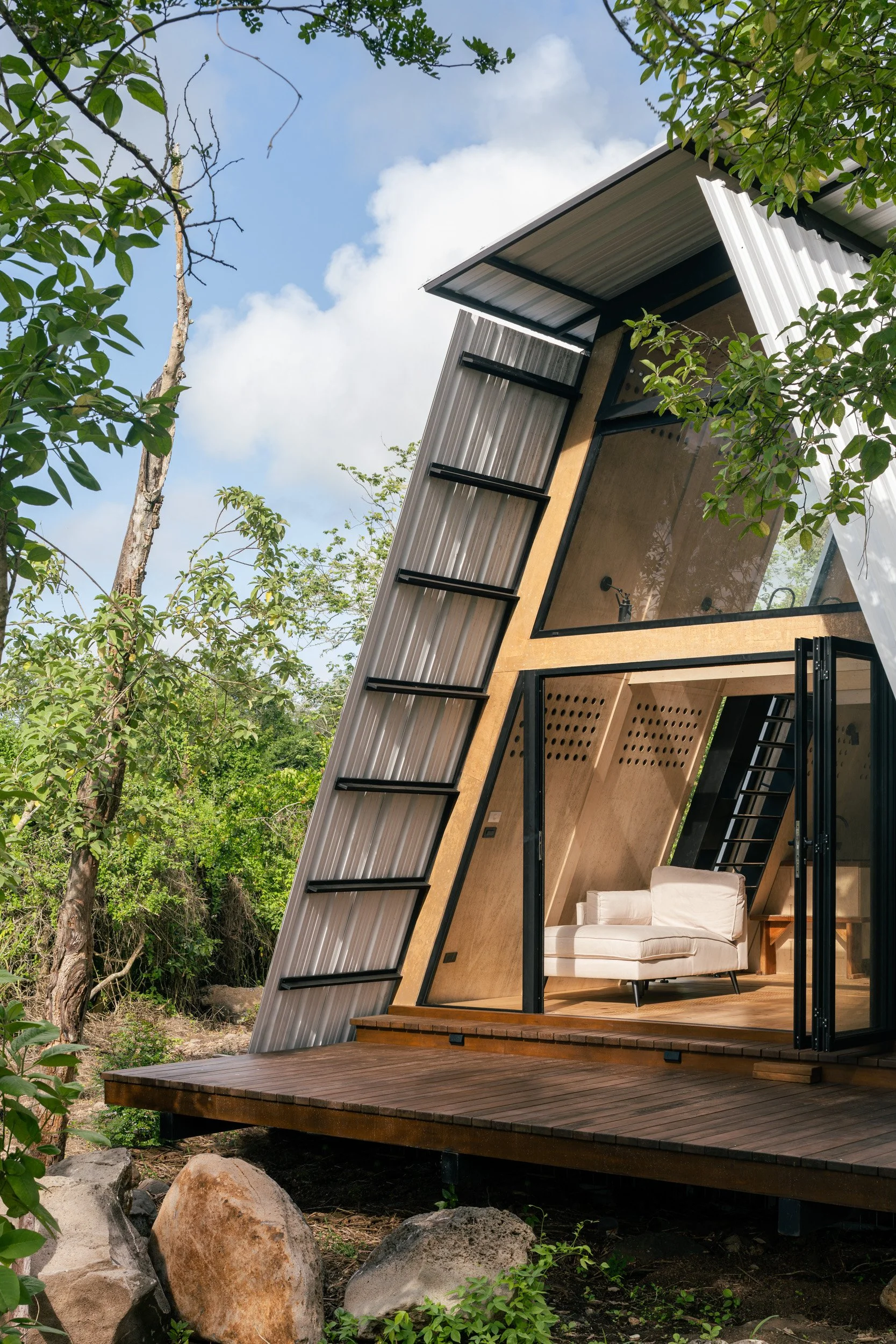
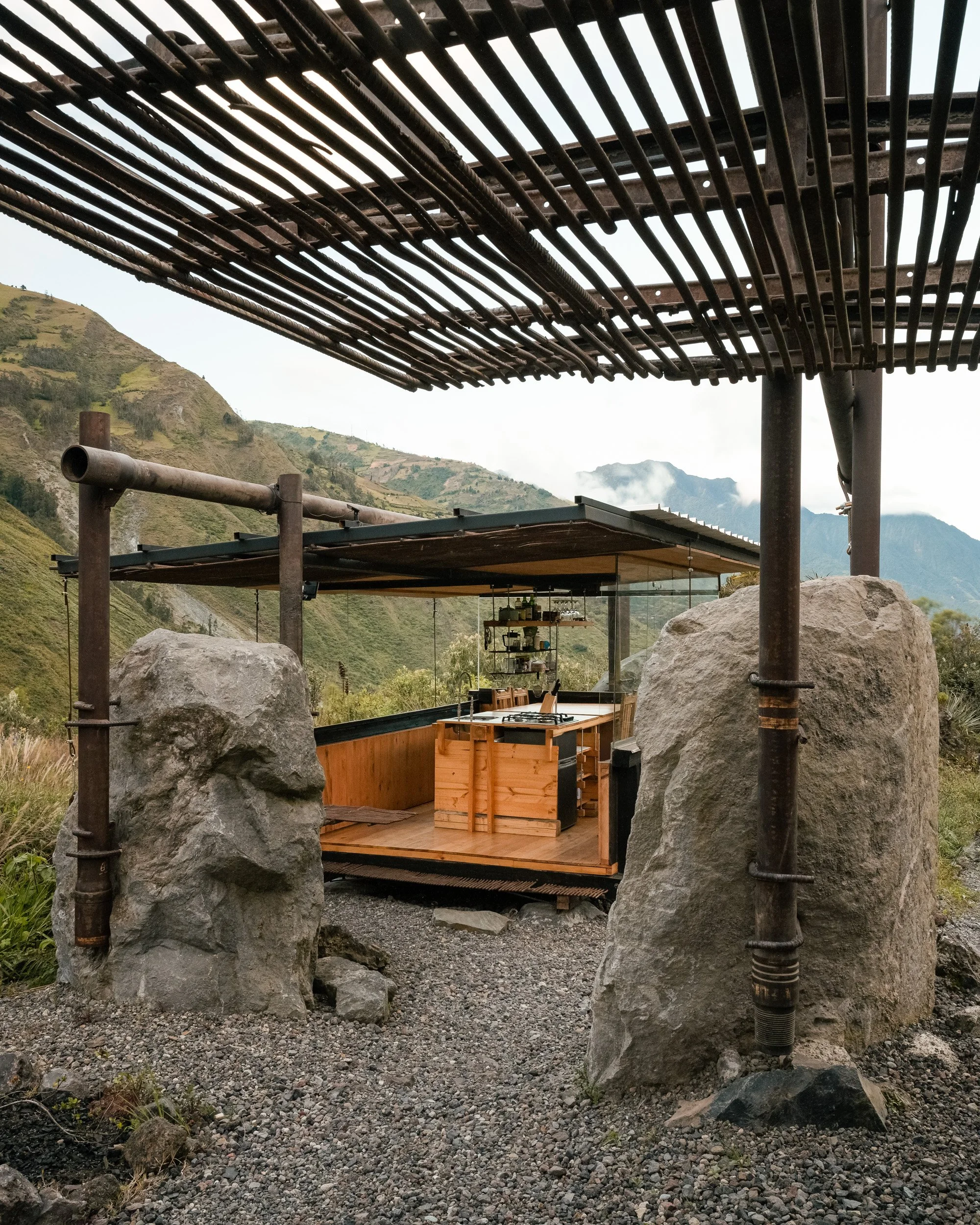
This situation has encouraged the emergence of a new architectural language that often references the vernacular, reinterpreting traditional construction techniques and materials and distilling them into contemporary designs. In many cases, these projects directly involve clients and local communities in the design and construction process, reinforcing the social dimension of architecture.
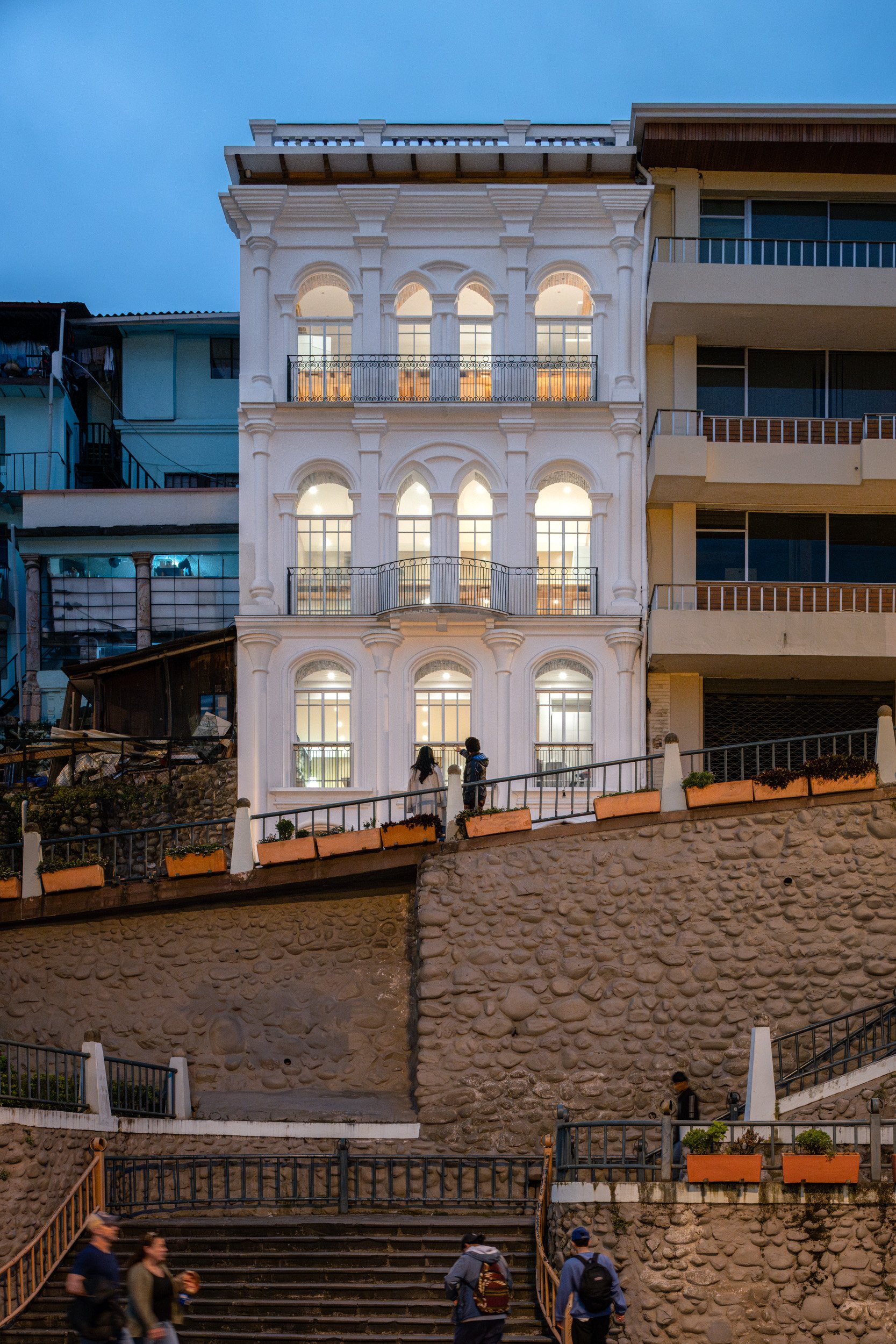
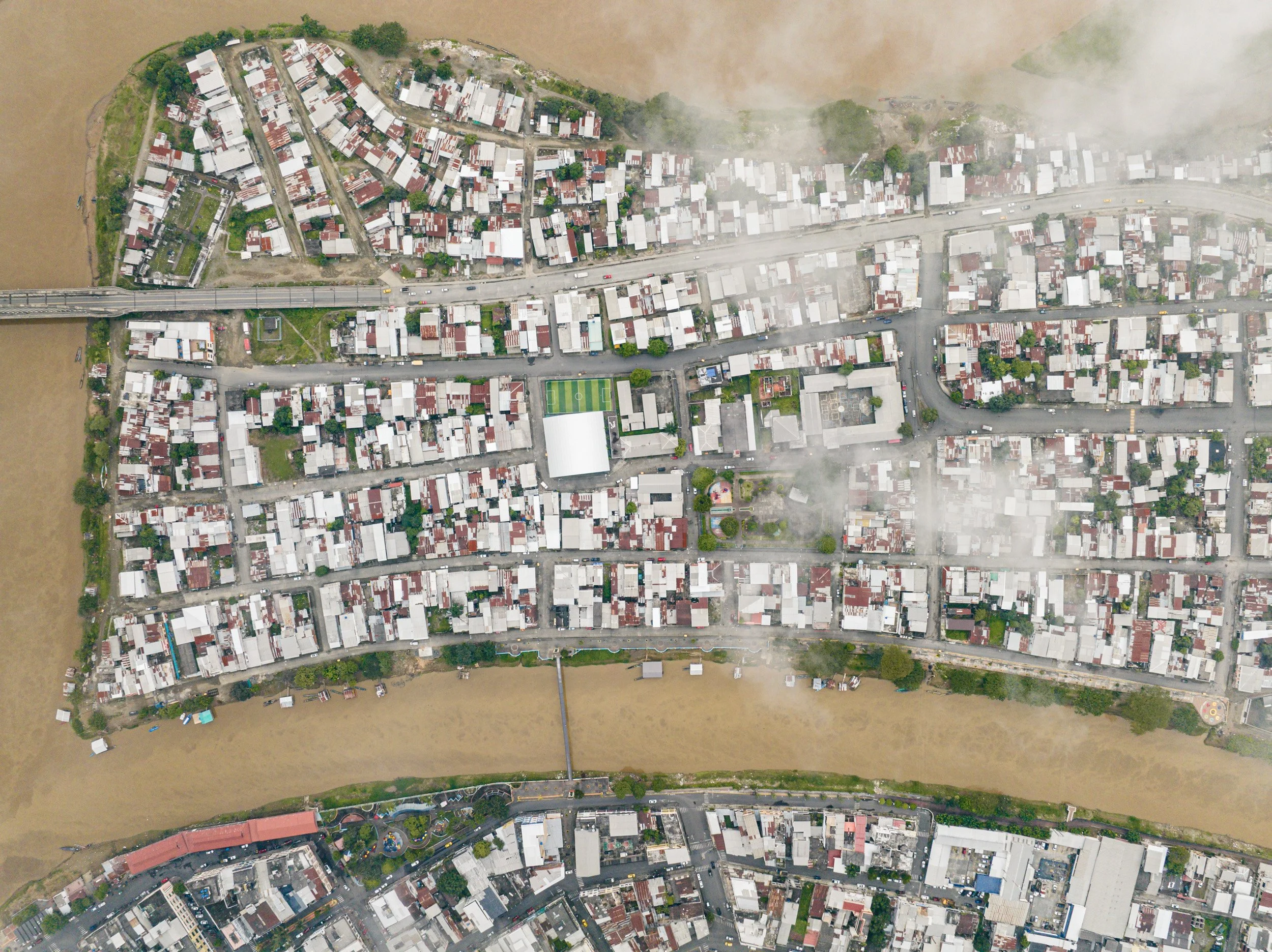
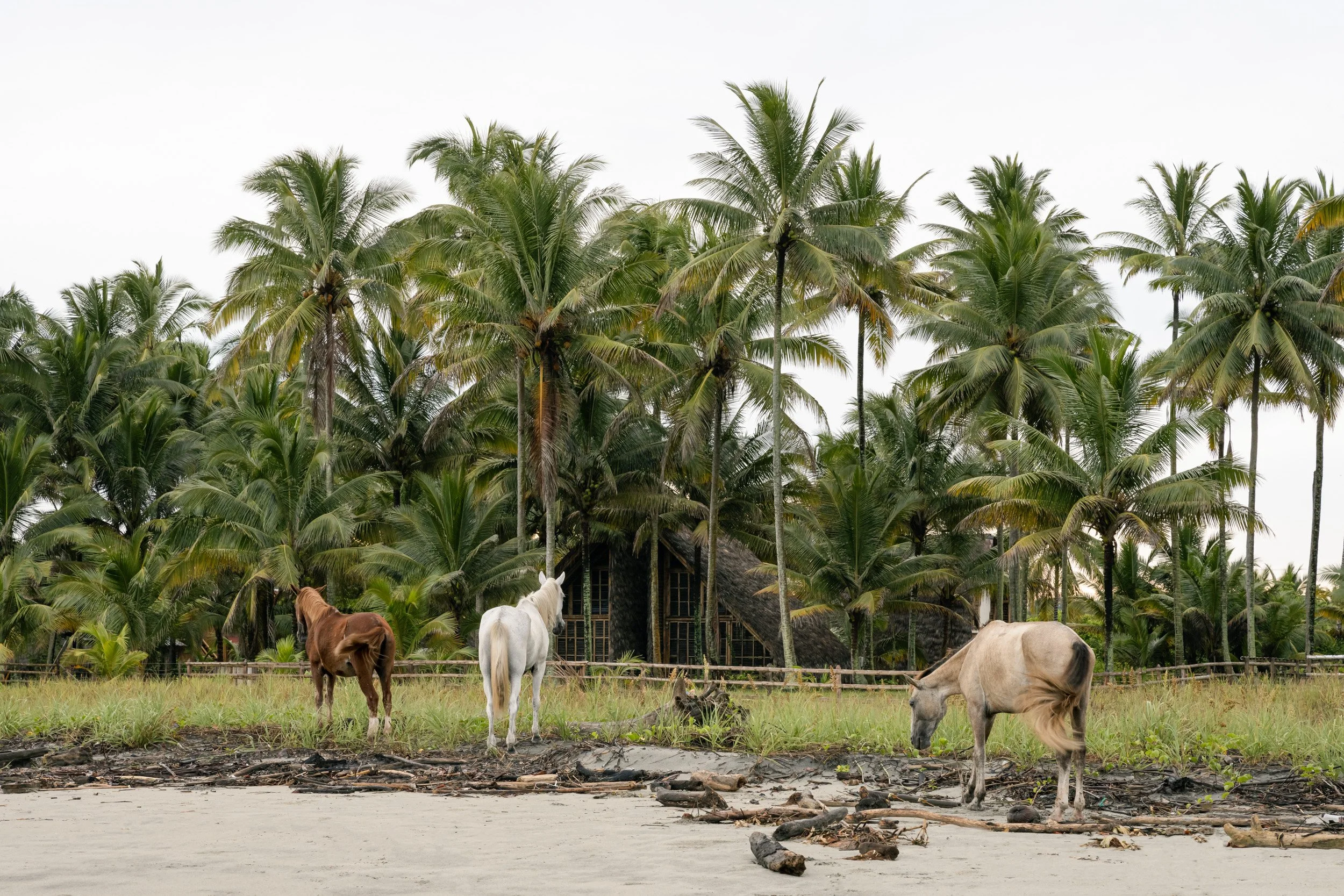
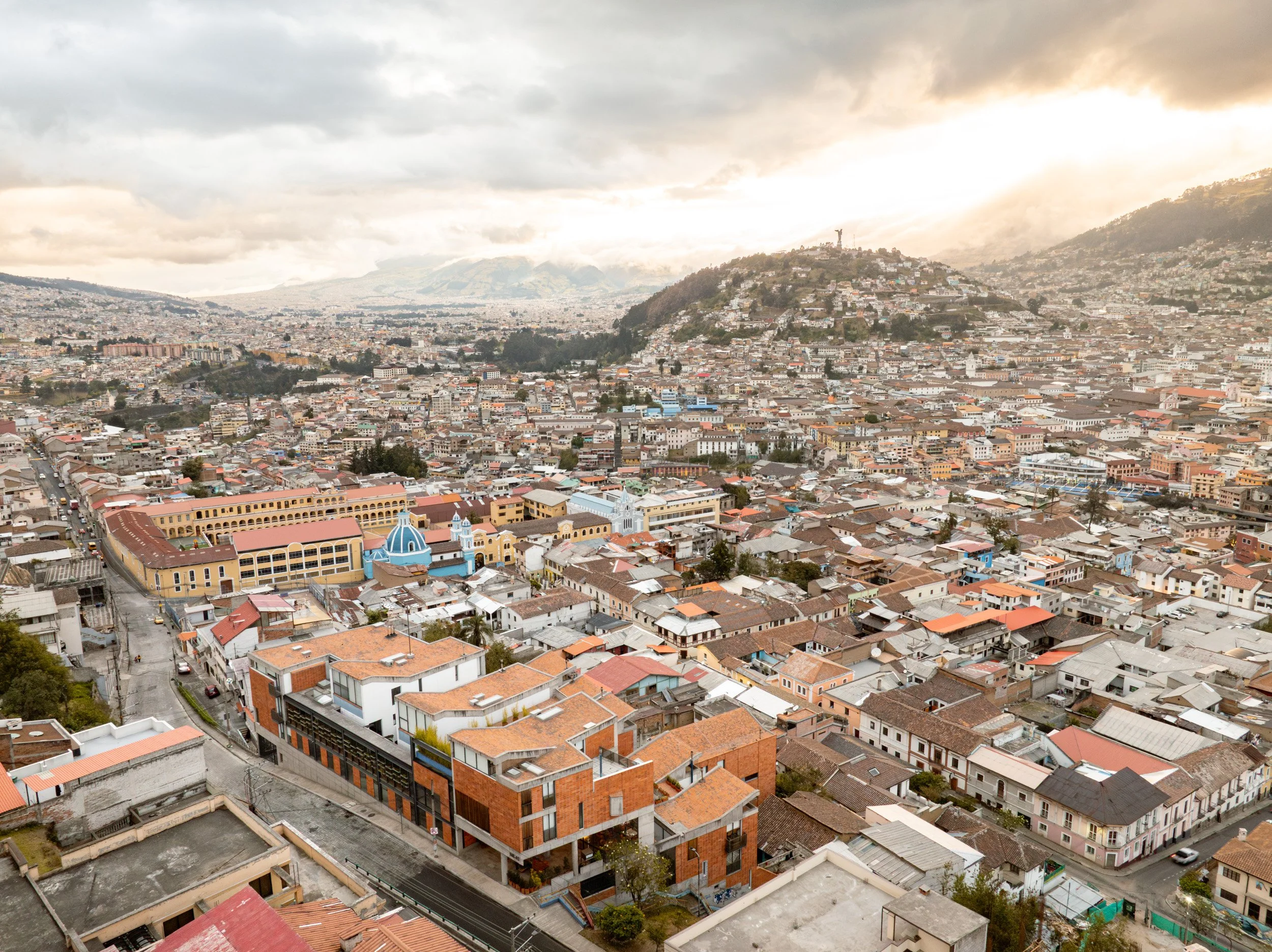
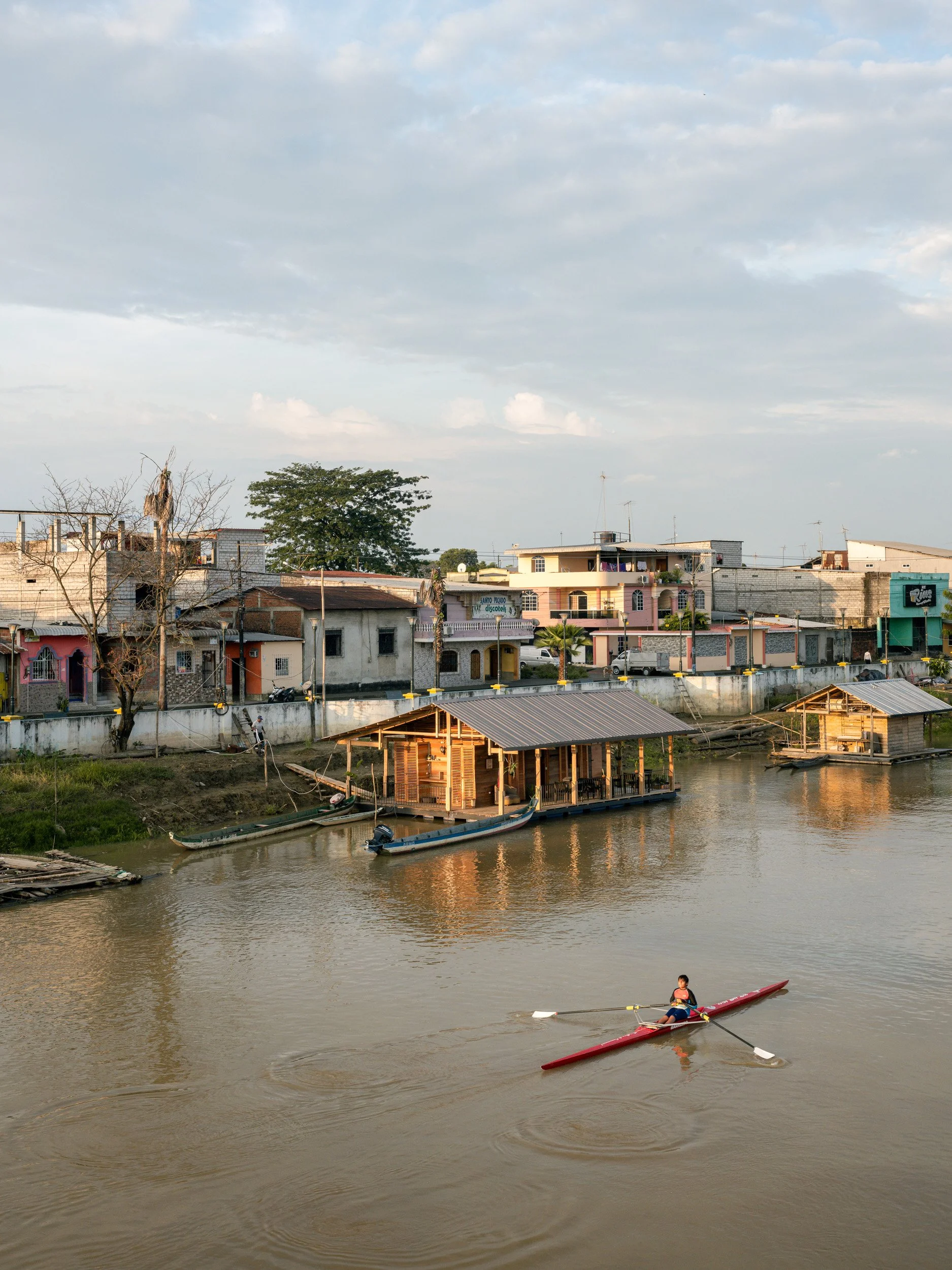
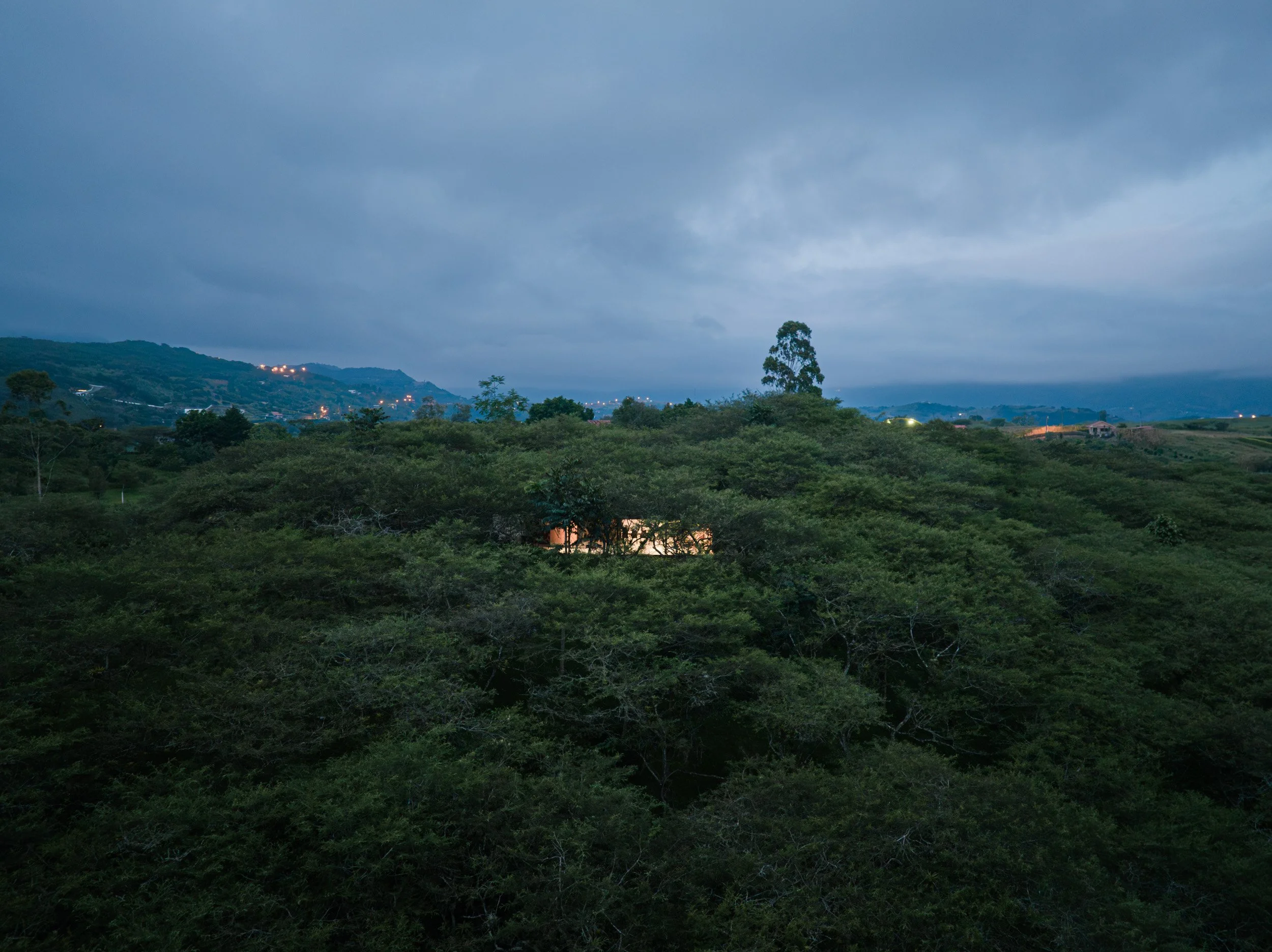
This project is the result of a collaboration with photographer Luca Piffaretti and two trips across Ecuador between 2023 and 2024, during which we documented this evolving architectural landscape through more than 40 contemporary projects distributed across the country. While I focused on photographing the buildings themselves, Luca turned his lens toward the surrounding landscapes and the people inhabiting them, providing an additional layer of context to the architectural work.
This photographic research aims to create a series narrating the contemporary architecture produced in Ecuador looking at selected projects representing the country's inherent characteristics, specific construction techniques, indigenous and modern materials and diverse regional environments.
See the full collaborative project here.